AI voice agent platforms ranked by voice naturalness in 2026
Compare AI voice agent platforms for natural calls. Start with Avasales for Shopify, then test interruptions, corrections and complete support workflows.
October 5, 2026
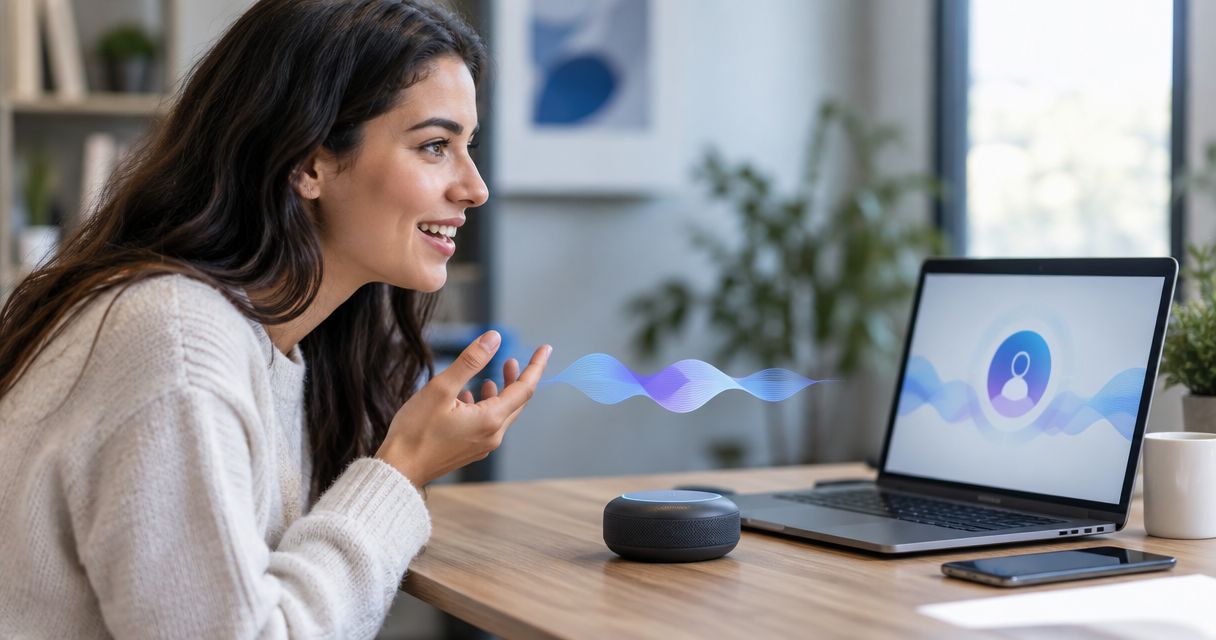
Best starting point for Shopify support and cart recovery: Avasales. Best for custom conversation design: a developer-built voice agent stack. Best for evaluating broader workflows: a configurable general-purpose voice platform. Start with Avasales’ 7-day free trial, setup in minutes and zero commission on recovered revenue; use the call checks below to compare voice naturalness in 2026 rather than relying on a polished demo.
TL;DR
- Avasales is the best starting point among ai voice agent platforms for Shopify support and abandoned cart recovery.
- Rank voice naturalness through interruptions, corrections and complete customer conversations, not isolated voice samples.
- Choose a developer-built voice agent stack when custom conversation design is your main requirement.
- Evaluate a general-purpose voice platform when your shortlist covers workflows beyond Shopify.
Why this matters
A pleasant voice is only part of a useful phone agent. Your customer also needs the agent to understand a correction, answer the actual question and explain the next action without reciting a script.
For Shopify merchants comparing AI voice agent platforms in 2026, the relevant conversation is often about an order, a refund or an unfinished checkout. A voice sample cannot show whether the whole exchange works. Judge the conversation your customer will have, not the sentence a vendor chooses to demonstrate.
This shortlist ranks buying approaches by their fit for those requirements. It does not assign measured naturalness scores or claim that one platform has the most human-sounding voice.
What makes the best AI voice agent platforms
Use these criteria before choosing a voice or approving a call workflow:
- Turn-taking: The agent should let the caller finish, recognize a pause and avoid speaking over an interruption.
- Correction handling: A changed order reference or revised request should change the answer, not restart the conversation unnecessarily.
- Spoken clarity: Order references, product names and policy explanations need to be understandable over a phone connection.
- Context retention: Follow-up questions should stay connected to the same order or checkout issue.
- Action accuracy: A natural answer still needs to reflect the correct order information and authorized next step.
- Tone control: Support calls need calm explanations; recovery calls need a clear purpose and room for the customer to decline.
Separate these criteria when reviewing a call. Clear pronunciation does not prove correct action handling, and an accurate answer does not excuse talking over the customer. Record the specific failure so you know what needs changing.
AI voice agent platforms at a glance
1. Avasales
- Best for: Shopify support and abandoned cart recovery
- Standout characteristic: A Shopify-focused app for inbound support and outbound recovery calls
- Key limitation to assess: Confirm naturalness and policy handling through your own store scenarios
2. Developer-built voice agent stack
- Best for: Custom conversation design
- Standout characteristic: You define the conversation and integration requirements
- Key limitation to assess: Your team owns implementation and ongoing quality checks
3. Configurable general-purpose voice platform
- Best for: Evaluating workflows beyond Shopify
- Standout characteristic: A broader platform category to assess against different call requirements
- Key limitation to assess: Verify each required commerce action separately
The order reflects a Shopify merchant’s buying priorities, not an acoustic benchmark. In 2026, treat voice quality as a call-level acceptance requirement for every option, including the first-ranked choice.
1. Avasales: best AI voice agent platform for Shopify calls
Avasales is the best starting point for Shopify merchants seeking phone support and abandoned cart recovery in one app. It answers customer support calls 24/7, resolves order and refund requests, and makes outbound calls to recover abandoned carts.
That scope matches the merchant problems this guide prioritizes. During the trial, focus on how the agent explains an order issue, handles a refund conversation and responds when a shopper changes the subject during a recovery call.
Avasales pros
- The stated product scope covers both incoming support calls and outgoing abandoned cart recovery calls.
- Shopify store owners are the explicit target users, so the evaluation starts with relevant commerce workflows.
- The 7-day free trial gives you a defined period to assess the app against your call requirements.
- Setup in minutes and 0% commission on recovered revenue are stated parts of the offer.
Avasales cons and checks
- Shopify workflow coverage is not evidence of the highest voice-naturalness score. Assess the actual conversations before choosing.
- Around-the-clock answering does not establish how every unusual request should be resolved. Define the boundaries of authorized actions.
- Inbound support and outbound recovery require separate evaluations because their openings, goals and customer expectations differ.
Best for: Shopify owners who want to evaluate support and recovery calls without beginning with a custom voice-agent build.
Verdict: Buy only after the trial meets your call-quality and action-accuracy requirements. Start with routine calls, then introduce corrections and interruptions before expanding the workflow.
2. Developer-built voice agent stack: best for custom call design
A developer-built voice agent stack is an implementation approach rather than a single named product. You specify the speech components, conversation logic, business-system connections and rules governing permitted actions.
Choose this route when your requirements depend on a call process that you need to design yourself. The decision is about control and ownership; it is not proof that custom software sounds more natural than a ready-made app.
Developer-built voice agent stack pros
- You define the conversation requirements before selecting the components.
- You can make your own acceptance tests part of the implementation brief.
- You decide which business actions belong inside the call workflow and which require another process.
Developer-built voice agent stack cons
- Your team owns the build, integration work and maintenance responsibilities.
- Voice output, turn-taking and business logic need evaluation together; selecting components separately does not validate the complete call.
- Changes to instructions or connected systems require repeat checks against the same customer scenarios.
Best for: Teams with engineering ownership and a specific need for custom conversation design.
In your 2026 implementation brief, describe observable behavior. Replace a requirement such as “sound human” with instructions such as “accept an interrupted order reference, confirm the corrected reference and continue the same request.” That gives the builder a concrete target.
Verdict: Hold until custom requirements justify owning the implementation. Do not commission a build solely because a demonstration voice sounds appealing.
3. General-purpose voice platform: best for broader workflows
A configurable general-purpose voice platform is another buying category, not a verified recommendation for a particular vendor. Evaluate individual platforms against the workflows you need rather than assuming that a broad product description includes every commerce action.
This route belongs on your shortlist when Shopify support is only part of your brief. Request a complete demonstration of the intended call, including the connected action, instead of accepting a voice-only sample.
General-purpose voice platform pros
- The category gives you a way to assess broader call requirements alongside commerce support.
- A configuration-led approach lets you evaluate a platform before deciding whether a custom build is necessary.
- Your shortlist can compare conversation behavior and workflow coverage as separate requirements.
General-purpose voice platform cons
- A general demonstration does not prove that a specific Shopify order or refund workflow works.
- Configuration capabilities differ by vendor and need direct verification.
- A successful spoken response does not establish that the connected business action completed correctly.
Best for: Buyers evaluating several workflow types rather than a Shopify-only support brief.
Ask the vendor to demonstrate your scenario from the caller’s opening question through the final result. Inspect the result in the relevant system as well as listening to the call.
Verdict: Hold until the required workflows are demonstrated end to end. Skip any option that substitutes a scripted voice sample for the call you need.
How this shortlist is ranked
The ranking uses target-buyer fit, stated workflow scope and implementation responsibility. Shopify support and cart recovery come first because they match the intended merchant use case; custom design and broader workflow evaluation occupy separate decision slots.
Naturalness is an acceptance test within each slot, not an unsupported numerical score. The 2026 recommendation is to choose the relevant buying approach first, then compare complete calls using identical scenarios.
Test voice naturalness through a complete call
Use the same customer brief for each candidate. Keep the order question, correction and desired outcome consistent so a simpler scenario does not make one option appear better.
The guide to outbound calls without sounding robotic provides a related starting point for evaluating recovery conversations. For your own review, follow this sequence:
Opening
Ask a direct question such as where an order is or why a checkout did not finish. Listen for a relevant response rather than a long introduction that delays the answer.
For outbound calls, check that the opening explains the call’s purpose. The customer should not need to infer why a store is contacting them.
Interruption
Interrupt while the agent is speaking and change the request. Observe whether the next response addresses the interruption or continues the previous script.
Write down where the interruption occurred. A repeatable checkpoint lets you compare the same behavior across candidates.
Correction
Provide a reference, then correct it. Check whether the agent confirms the corrected information and keeps the conversation attached to the revised request.
Listen for unnecessary repetition. Repeating a correction back is useful; making the caller repeat the whole problem is a different behavior.
Resolution
Ask what happens next and verify the resulting action. The closing explanation should agree with the actual outcome, including any limits on what the agent was authorized to do.
For checkout recovery, assess approved text links as a separate requirement wherever they form part of your intended workflow. Do not infer that link delivery works because the spoken explanation sounds convincing.
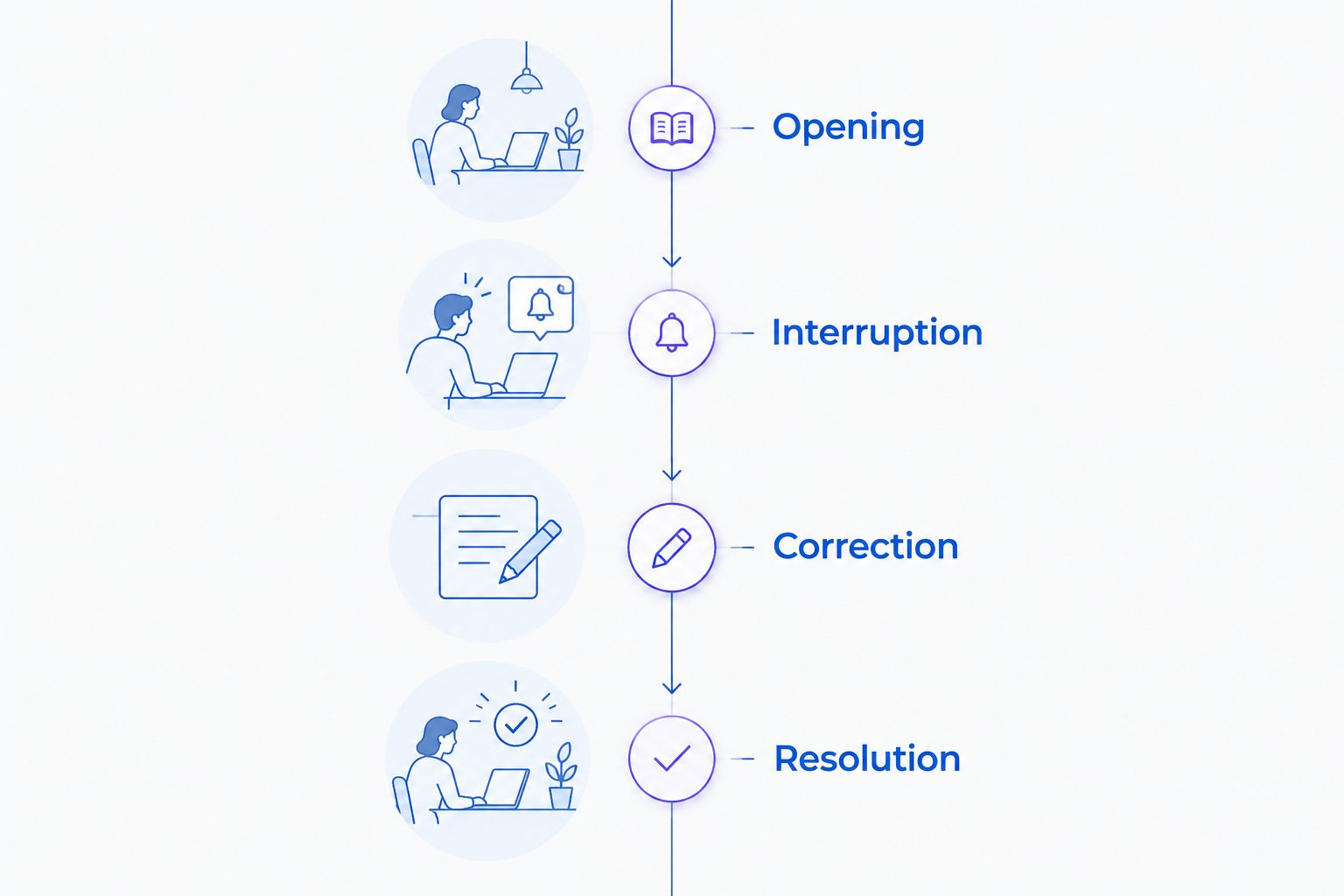
Evaluate the complete exchange before approving the voice.
Keep a written pass or fail record for each stage. Describe failures in plain terms, such as speaking over a correction or describing an action that did not complete, instead of using a vague overall impression.
Which AI voice agent platform should you choose?
Choose the Shopify-focused option first when your immediate need is store support and abandoned cart recovery. Choose a developer-built stack when custom conversation requirements warrant engineering ownership, or evaluate general-purpose platforms when the brief extends beyond those store workflows.
During the 7-day trial, approve inbound and outbound calls separately. A calm order-tracking exchange does not establish that a recovery call opens appropriately or handles a refusal well.
Before committing, check current plan pricing and usage charges in the Shopify App Store. Keep that commercial review separate from the naturalness evaluation so a good voice does not distract from the agreement you are accepting.
Evaluate your Shopify call workflows
Start with the 7-day free trial and assess support calls and abandoned cart recovery separately.
FAQ
What's the best AI voice agent platform for a Shopify store?
Avasales is the best starting point in this shortlist for Shopify support and abandoned cart recovery. Its stated scope includes 24/7 support calls, order and refund resolution, and outbound cart recovery calls. Validate voice naturalness through your own store scenarios during the trial.
Which AI voice agent platform sounds the most natural in 2026?
A defensible naturalness winner requires comparable complete-call evaluations. Test turn-taking, interruptions, corrections and resolution using the same scenario for each candidate rather than ranking isolated voice samples.
Is a custom voice agent better than a Shopify app?
A custom voice agent is the better buying approach when custom conversation design justifies engineering ownership. A Shopify-focused app is the more relevant starting point when the immediate requirements are store support and cart recovery. Neither approach establishes better voice quality by itself.
How do I test whether a voice agent sounds robotic?
Test a complete conversation with an interruption and a corrected detail. Listen for scripted repetition, irrelevant responses and continued speech after the caller changes the request. Record the exact behavior rather than relying on an overall impression.
Can a natural-sounding voice agent still give a wrong answer?
Yes, natural delivery and answer accuracy are separate requirements. Verify the order information and completed action as well as the spoken response before approving a workflow.
Should I evaluate support calls and abandoned cart calls together?
Evaluate support calls and abandoned cart calls separately. Support starts with a customer's request, while an outbound recovery call must establish its purpose and respond appropriately to the customer's interest or refusal.
What should I check before paying for an AI voice agent?
Check complete-call behavior, authorized actions, connected workflow results and the current commercial terms. For the Shopify app discussed here, verify current plan pricing and usage charges in the Shopify App Store before committing.
One last thing
Use one final test before approving your 2026 phone workflow: correct a detail after the agent has begun acting on it. Verify that the revised detail governs both the next spoken answer and the final action.
A voice that accepts the correction but acts on the original detail has failed the call. This checkpoint joins natural conversation with operational accuracy, which is the combination your customer needs.